


Recent news:
4000th facility has been added to the Ski Jumping Hill Archive
7000th ski jumping hill added to the Archive!
New Granåsen ski jump in Trondheim inaugurated
Fire destroys ski jumps in Biberau-Biberschlag
Copper Peak: Funding of the renovation finally secured
Send us your ski jumping hill photos and information via email!
Latest updates:
2026-11-25
 Mátraháza
2026-11-06
 Klingenthal
 Szczyrk
2026-11-05
 Železná Ruda
 Bergschenhoek
Advertisement:
Partner:


Advertisement:



 Ramnes
Styrseng
Data | History | Hill records | Map | Comments
.
Eikelibakken:
| K-Point: | 50 m |
  Hill record: |
51.0 m (Kristian Nordby , 1948) |
| Further jumps: | no |
| Plastic matting: | no |
| Year of construction: | 1932 |
| Operating until: | ca. 1960 |
| Status: | destroyed |
| Ski club: | Ramnes USL |
| Coordinates: | 59.359018, 10.230812 ✔ 
 |
History:
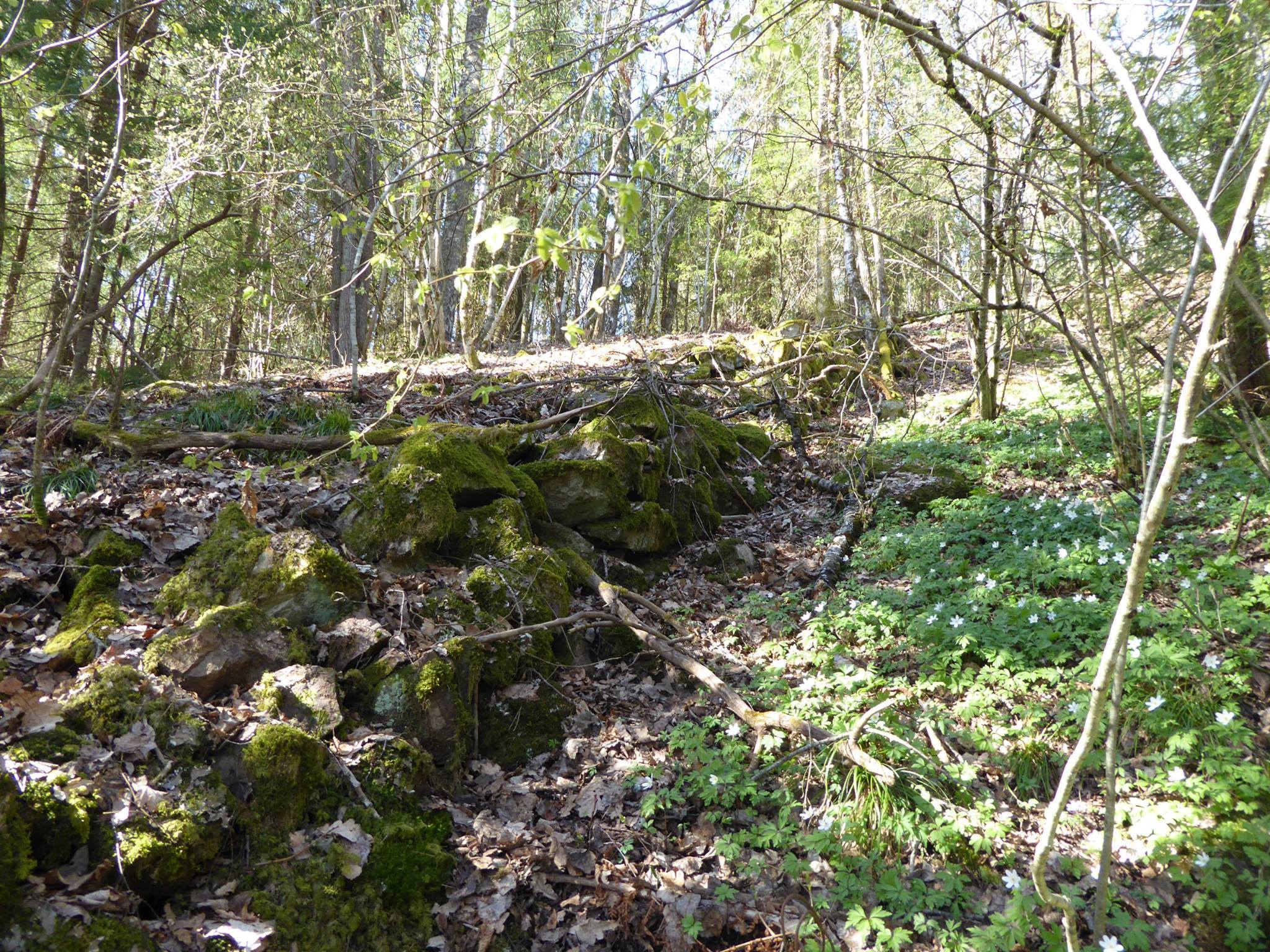
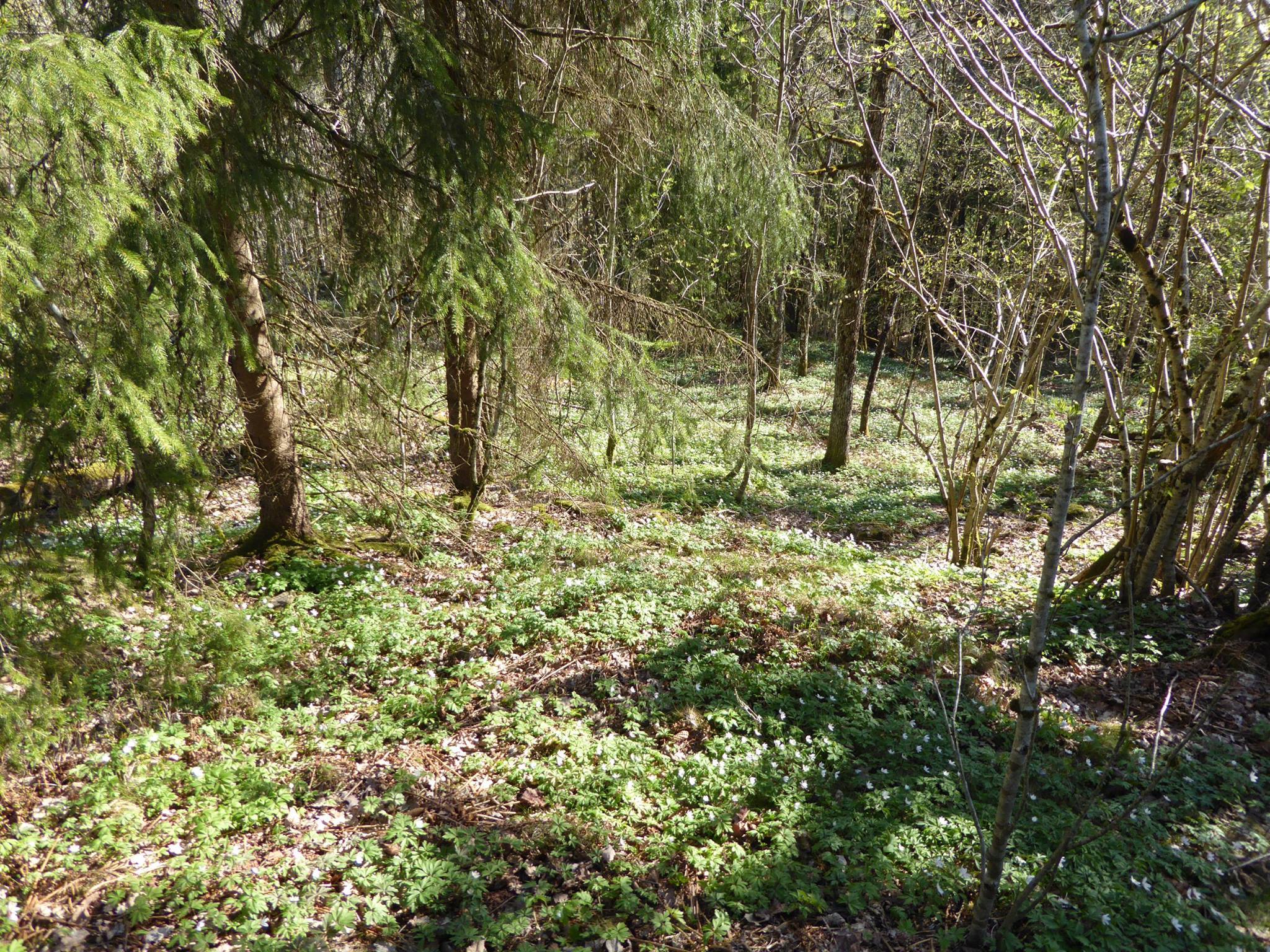
Eikelibakken in Styrseng, in the Askjerdalen valley, was one of the most important ski jumping hills in Ramnes and the main facility of the Ramnes UL jumping section. The club’s ski group was founded in 1931, which was unusual, as it functioned within a local ungdomslag (youth association), and it continued in this form until it merged with Ramnes Idrettsforening in 2004. The hill itself was completed in 1933 through an agreement with the owner of the Studsrød farm, Magnus Kyllingstad, and thanks to extensive volunteer work. The profile of Eikelibakken soon proved very demanding: the hill was well sheltered from wind and the early spring sun and was easily accessible from the Ramnes–Askjer road, but it crossed the access road to the Studsrød farm, so each winter a wooden bridge had to be built over the road to ensure a safe outrun. It had a long transition between the take-off and the landing slope, a steep landing hill with a sharp break, and further down a footbridge crossed the river; autumn floods often destroyed it and it had to be rebuilt every year. Below that point the jumper still crossed the county road at high speed before stopping on the opposite slope – yet no serious collisions with cars were ever recorded. A major role in the development of the hill was played by Sofus Skuggedal and Nils Kihle from the local power company, thanks to whom Eikelibakken received floodlighting already in the winter of 1938/39 and began attracting athletes from the entire region. During the occupation, activity ceased due to the nationwide sports strike (idrettsstreik 1940–1945), when the Norwegian sports community boycotted official competitions; after the war, extensive repairs of the structures were needed. In the accounts of Olav Moen, Eikelibakken appears as a hill with strong “pressure” in the flight phase, where he greatly enjoyed jumping; he himself briefly held the hill record (around 50–51 metres) before Kristian Nordby of Holmestrand improved it by half a metre. The large hill, “Store Eikeli,” went out of use in the 1960s, and for a time the smaller “Lille Eikeli” on the northern side of the landing slope was still used. After the opening of the new large hill Farbakken in 1963, activity at Eikelibakken virtually ceased, while the small neighbouring hill on the opposite side of the road served for old boys’ competitions and youth training only until the mid-1950s.
 Map:
Advertisement:
Comments:
Social Bookmarks
Ski Jumping Hill Archive on Facebook: |
Stay connected: |
About us: |
Partner: |
|---|---|---|---|
|
Visit us on Facebook Follow us on Instagram Follow us on Twitter |
Imprint Contact Sitemap |
|


Post comment: